Gogledd Cymru
Hypopressives
North Wales
Core & Pelvic Floor Training in North Wales
Specialist Hypopressive Exercise supporting
inner core strength, pelvic floor health, prolapse symptoms, bladder leaks, posture & nervous system balance
for women at every life stage
A whole-body approach
Strengthen your core. Calm your nervous system. Move with confidence
Feel stronger, lighter, and more connected to your body
Reduce leaks and feel more confident day to day
Support pelvic floor recovery and prolapse symptoms gently and effectively
Build deep core strength in a safe, low-pressure way
Improve posture, breathing, and release tension
Move better for walking, running, lifting, skiing, sport, and everyday life
Rediscover confidence in how your body feels and moves

Rebuild trust in your body
Many women tell me they no longer feel strong, supported or responsive in their bodies they eat they used to.
You may notice leaks, heaviness, tension, poor posture or a loss of confidence in the things you used to do and enjoy such as socialising, movement & sport.
Hypopressives provide a gentle, whole-body approach to rebuilding connection, strength, posture, breathing and trust in your body again.
Whether that be a weakened core associated with motherhood or during menopause.
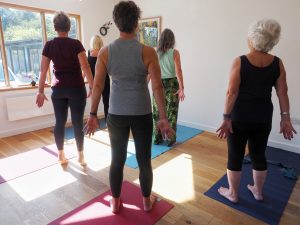
Meet Lara
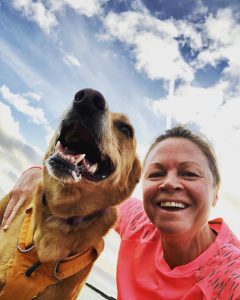
I’m an ex-physiotherapist and Advanced Hypopressives Instructor specialising in helping women rebuild core strength, pelvic floor support and confidence in movement.
My approach is informed by many years working in Physiotherapy and Women’s Health, together with specialist training in Hypopressive techniques.
Based in North Wales, I work with women, one-to-one and in small groups locally.
My goal is to help women feel strong, capable and supported in their bodies.
FAQs
1. Can Hypopressives help pelvic organ prolapse?
Hypopressives reduce abdominal pressure and improve reflex pelvic floor uplift, which can help support prolapse management.
2. Are Hypopressives better than Kegels?
They work differently. Instead of isolated contractions, Hypopressives train the pelvic floor reflexively through breathing and posture, ensuring the pelvic floor is able to tighten and relax effectively and adapt to work in balance with the body as a whole.
3. Are Hypopressives safe during menopause?
Yes. Many women find Hypopressives particularly helpful for rebuilding core strength, rebalancing the nervous system and aiding sleep during menopause.
4. Can hypopressives help with pelvic floor issues?
Yes. Hypopressives are designed to support pelvic floor health, core strength, posture, and overall body awareness. Many women find they help reduce discomfort, improve confidence, and feel stronger in daily life.
5. How many sessions will I need to feel confident with hypopressives?
Everyone’s body and goals are unique, so there isn’t a single “right” journey. Most people find that around 6 sessions gives them the confidence to practise independently, with enough variety to adapt their routine to how they feel on different days. I guide you step by step, so you always feel supported.
6. Do I need to be fit or flexible to start?
Not at all. Hypopressives are gentle and accessible for all bodies. We start where you are, focusing on comfort, awareness, and building strength safely over time. Progress is individual, and every session is tailored to your needs.
7. Do I need exercise gear?
Comfortable, non-restrictive clothing is best – something you can move and breathe easily in. You won’t need special equipment, just space to lie, sit, or stand comfortably.
8. How do I continue my practice between sessions?
You’ll receive a personalised workbook that grows with you. Each session adds new guidance and exercises, so you can practise safely and confidently at home. Your workbook becomes a resource that adapts to how you feel, giving you independence without losing support.
9. Can runners do Hypopressives?
Yes. Many runners use Hypopressives to improve endurance, breathing mechanics and pelvic floor support during running.
10. Can I do hypopressives if I have prolapse or incontinence?
Yes. Hypopressives are actually designed to support pelvic floor health. I will guide you carefully, adjusting exercises to your needs, so you can strengthen your core safely and confidently without worsening symptoms.
11. The breath-work looks tricky, what if I can’t do it?
if you’ve seen Hypopresives, the vacuum manoeuvre can look tricky but it is just one element of the overall practice. You don’t need to perfect it straight away. We focus on awareness, posture, and gentle breathing first, there’s no rush and no pressure.
12. Can I practise if I’m having a “low-energy” day?
Absolutely. Hypopressives are adaptable. Your personalised workbook gives options so you can do a lighter or modified session when you’re tired, or a fuller session when you have more energy. It’s about listening to your body, not forcing it.
13. Is it normal if progress feels slow at first?
Yes. Deep core and pelvic floor strength develop gradually. Even small, consistent improvements make a real difference over time. We celebrate every step of your progress, and your workbook helps you track it, so you can see how far you’ve come.
Testimonials